01
Insight Before Listing
Follow private companies, funding rounds, reported valuations, business developments and potential IPO preparations before they become publicly listed.


Glenmorgan Private · Secondary Market
More flexibility. Less dependence on the listing.
Private companies can attract significant investor interest long before they reach the public markets. Glenmorgan Private brings together company research, valuation insights and important market developments to help you understand these opportunities before a potential listing.
Where a functioning secondary market exists, eligible investors may also have an opportunity to buy or sell private-company shares before an IPO — potentially providing an alternative to waiting for a public listing.
Important — Investor Eligibility
Glenmorgan operates globally, with a primary focus on Europe. Access to private-company securities, IPO opportunities and secondary-market transactions is subject to applicable legal and regulatory requirements, investor eligibility, jurisdiction, transaction terms and any required approvals.
Not every opportunity is available to every investor, and company coverage does not mean that shares are available to purchase or sell.
Before proceeding, confirm your eligibility and review the specific investment terms, fees, holding restrictions, liquidity arrangements and risks with your representative.
Research, not transaction access. This website does not execute trades or offer securities, and coverage does not establish regulatory authorisation.
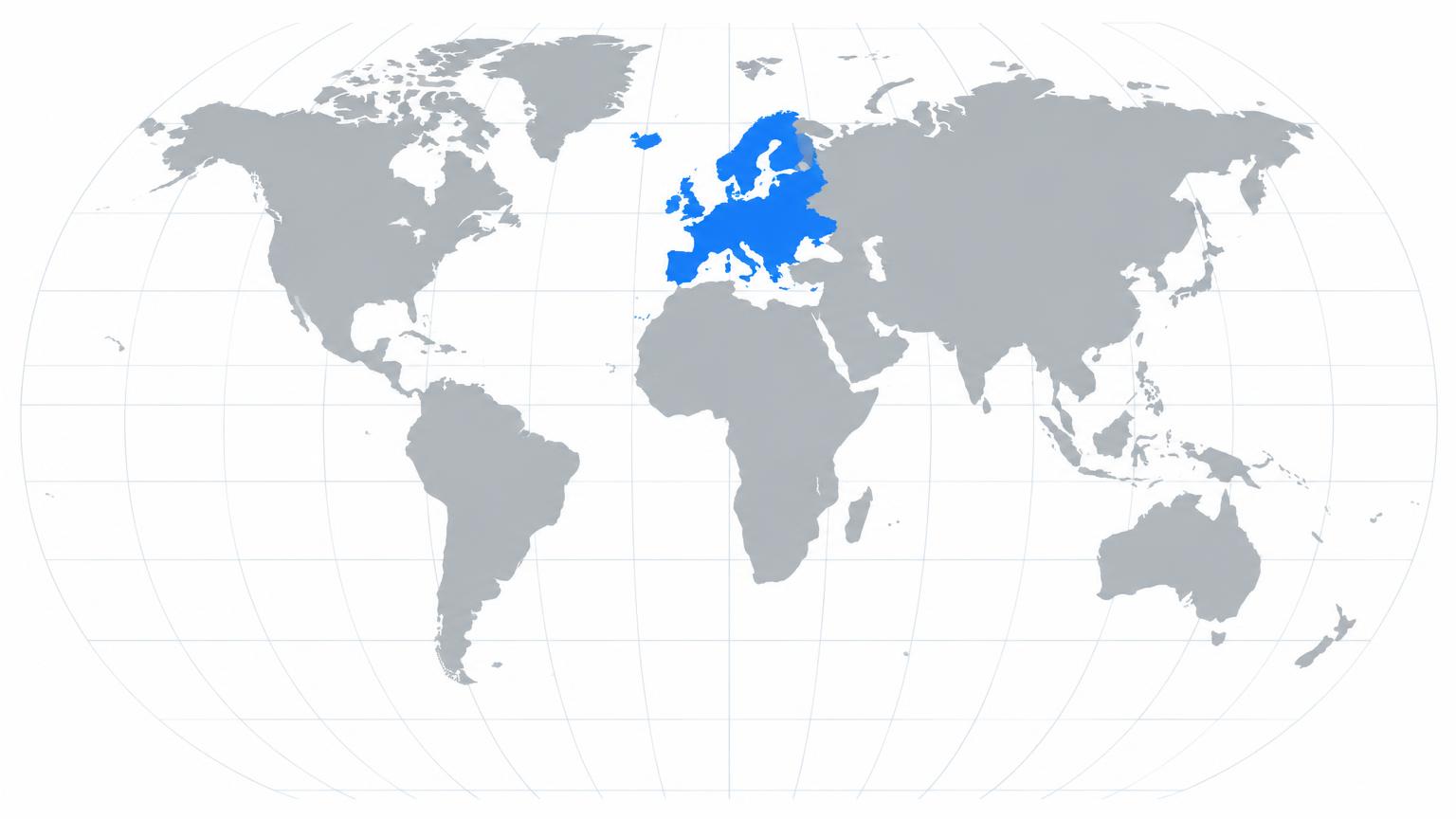
Global Reach / European Focus
Glenmorgan operates globally, with a primary focus on European markets and investors.
Our research and market coverage focuses on significant private companies, pre-IPO opportunities, IPO developments and selected investment opportunities across international markets.
Availability varies by jurisdiction, company, transaction structure and investor eligibility. Global operations do not mean that every product or transaction is available in every country.
Geographic focus is not a statement of regulatory authorisation or permission to offer every type of investment in every jurisdiction.
Opportunity-specific access
High-spec IPO and pre-IPO opportunities can differ significantly in structure, access arrangements and potential liquidity. No allocation, participation or immediate sale after listing is guaranteed.
Each opportunity has its own terms. Before committing capital, make sure you understand the allocation process, eligibility requirements, fees, liquidity arrangements and any restrictions that apply.
01 / Why secondary markets matter
Investing in a private company can mean waiting years for an IPO, an acquisition or another event that allows an investor to realise their investment. A functioning secondary market can change that dynamic by creating a potential route for eligible shareholders to sell their shares before the company lists publicly.
Follow private companies, funding rounds, reported valuations, business developments and potential IPO preparations before they become publicly listed.
Where eligible shares can be transferred and a willing buyer is available, shareholders may be able to sell before an IPO rather than relying solely on a future listing or acquisition.
Secondary-market opportunities may provide additional options for managing the timing of an investment, reducing dependence on a single future liquidity event.
Explore available financial information, company fundamentals, valuation history, competitive positioning and relevant risks before considering a private-market opportunity.
02 / More flexibility. Less dependence on the IPO.
One of the challenges of private-market investing is liquidity. Investors may be unable to sell their shares when they want to, leaving them dependent on a future IPO, acquisition or another liquidity event.
Where a functioning secondary market exists, eligible investors may have another potential route to buy or sell shares before a public listing. This can reduce the risk of being locked into an investment with no practical exit route, although a transaction is never guaranteed.
A potential opportunity to sell eligible shares before the company lists.
A delayed or abandoned IPO does not necessarily rule out every possible secondary transaction.
Potential opportunities may arise before listing, subject to demand and applicable restrictions.
Invest
Hold private shares
Wait for IPO, acquisition or another liquidity event
Potential exit
Invest
Monitor company and market developments
Assess potential secondary opportunities
Potential earlier exit
Only if a buyer, eligible shares and required approvals are available. No transaction is guaranteed.
Private-market investing does not have to mean relying exclusively on an IPO. Where secondary liquidity is available, investors may have another opportunity to realise their holdings before a public listing.
Liquidity assessment
An additional potential route to liquidity may exist where shares are eligible for transfer, approvals are obtained and a willing buyer is available. Access and achievable prices remain conditional.
Higher liquidity risk
If a high-spec IPO or pre-IPO opportunity does not have an established secondary market, Glenmorgan will treat it as a higher-liquidity-risk investment. Investors may need to remain invested until a permitted exit event becomes available, and a future IPO is not guaranteed.
Absence of a secondary market does not automatically make an investment unsuitable. Consider the liquidity risk alongside your circumstances and the specific terms.
03 / Understand the process
Explore private companies attracting investor interest, developing rapidly or potentially approaching a future listing.
Assess company fundamentals, reported valuations, funding history, available financial information, market developments and principal risks.
Where an actual transaction opportunity exists, establish:
Review the available information, terms and risks independently before deciding whether to proceed through an appropriately authorised provider, where applicable.
Three different stages: Research is information. An indication of interest is not a binding offer. An executable transaction requires verified terms, eligible parties and approvals. Glenmorgan provides research only.
04 / Valuation intelligence
Private-company valuations can change significantly between funding rounds and secondary transactions. A company's last reported funding valuation is useful context, but it is not necessarily the price at which its shares can currently be purchased or sold.
Latest valuation in our covered disclosures
$91.5bn
Historical observation · not a current share price
Secondary-market access: Not confirmed
Read ResearchThese are selected verified historical disclosures, not a complete or live check of subsequent announcements. Different valuation events may not be directly comparable. Preferred-share rights, share classes, transaction conditions and market demand can affect the economics of a transaction.
05 / Companies to watch
Five flagship research reports. Company coverage is not transaction availability; Glenmorgan does not confirm that these shares can be bought or sold.
Artificial Intelligence
Developer of the GPT model family and ChatGPT, and tools for businesses, researchers and consumers.
$500bn
2 Oct 2025 · Secondary share sale
Source: CNBC · reported OpenAI employee share sale
Covered development: OpenAI announces $40bn funding round led by SoftBank
Research updated 22 Oct 2026 · Historical, not live
Read ResearchArtificial Intelligence
AI safety and research company and developer of the Claude family of models, structured as a public benefit corporation.
$1,000bn
Unconfirmed · effective date not supplied
Source: User update received 15 November 2026; transaction basis and effective date not supplied
Covered development: Anthropic raises $13bn Series F
Research updated 22 Oct 2026 · Historical, not live
Read ResearchFintech
Global financial super-app offering banking, payments, FX, trading and wealth products to retail and business customers.
$100bn
Unconfirmed · effective date not supplied
Source: User update received 15 November 2026; transaction basis and effective date not supplied
Covered development: Revolut completes fundraising process at $75bn valuation
Research updated 22 Oct 2026 · Historical, not live
Read ResearchFintech
Payments infrastructure platform for internet businesses.
$91.5bn
27 Feb 2025 · Tender offer
Source: Stripe
Covered development: Stripe announces employee tender offer
Research updated 22 Oct 2026 · Historical, not live
Read ResearchEnterprise Software
Data and AI platform built around the lakehouse architecture.
$100bn+
8 Sept 2025 · Funding round
Source: Databricks
Covered development: Databricks announces Series K closing and revenue run-rate milestone
Research updated 22 Oct 2026 · Historical, not live
Read Research06 / Risks that remain
Secondary-market trading may reduce the risk of being locked into a private investment until an IPO, but it cannot eliminate the risks associated with private companies. The availability of a buyer, the ability to transfer shares and the price achievable can all change.
An anticipated IPO may be delayed, changed or cancelled entirely.
A secondary market may be limited or inactive. There may be no buyer when an investor wants to sell.
A previous funding-round valuation does not guarantee the value of a secondary transaction or a future public listing.
Company consent, contractual restrictions, shareholder agreements and applicable laws may limit or prevent a sale.
Private companies may disclose less financial and operational information than publicly listed businesses.
The value of private shares can fall, and investors may lose some or all of their investment.
The potential advantage is flexibility, not certainty. A secondary route may provide an alternative to waiting for an IPO, but it should never be treated as a guaranteed exit or protection against investment losses.
Fees / Product-specific arrangements
For investment products that expressly use Glenmorgan's profit-based fee arrangement:
2% OF PROFIT — ONLY IF A PROFIT IS MADE
For eligible products covered by this arrangement, Glenmorgan charges a fee equal to 2% of the applicable profit. If no profit is made, no profit-based fee is payable under this arrangement.
Fee: 2% of applicable profit. Payable only if profit is made, subject to the agreed calculation and terms.
The client agreement must define losses, costs, realised versus unrealised gains, currency movements and any previous losses.
Not every Glenmorgan product follows this structure. Different fees, fixed-term or product-specific arrangements may apply. Confirm all charges and conditions before committing.
Where our remuneration is linked to investment profits, our interests are connected to the outcome achieved under the agreed fee terms. This creates an incentive to identify and assess opportunities carefully and focus on the quality of recommendations. It does not guarantee successful recommendations or profits, remove conflicts of interest, or prevent investment losses.
Always ask your Glenmorgan representative to confirm the exact fee structure, applicable costs, payment terms and conditions for the specific product before proceeding if anything is unclear.
Holding periods / Reinvestment
60–90 days
Some arrangements may require approximately 60–90 days, subject to the product and client agreement. This is not a universal requirement.
Potentially 90 days
Where agreed, profits or realised proceeds following a listing may need to remain within the portfolio or follow an agreed reinvestment plan for a specified period. This does not apply to every opportunity.
These terms may support a longer-term investment approach and discourage participation solely for an immediate listing gain. They restrict flexibility and must be disclosed before participation.
The Glenmorgan Private Markets Briefing
Follow private-company developments, funding rounds, valuation changes, potential IPO preparations and secondary-market news with Glenmorgan Private.
Free private-market research and company developments.
The newsletter is free. Read published editions; email delivery is not connected yet.